Understanding your starting point in these areas helps in crafting goals that push your limits without straying into the realm of the unattainable. It ensures that your fitness journey begins on a note of self-awareness, setting a foundation for progress that is both measurable and realistic. A realistic amount of muscle gain varies widely depending on factors like genetics, experience, and consistency. For beginners, gaining 1-2 pounds of muscle per month is achievable, while intermediate lifters might see half that. Advanced athletes often plateau or gain minimally without extreme measures.
First Year: “Newbie Gains”
To navigate this decision, start by assessing your goals and values. If you’re under 30, focus on mastering the fundamentals of nutrition, training, and recovery to maximize natural potential. For those tempted by enhancements, consult a medical professional to understand the risks fully. Remember, realistic muscle gains are not just about size but also about health, sustainability, and the integrity of the journey. Choose wisely, as the consequences of your decision will shape not just your physique, but your future.
Your Guide to Setting Goals for Muscular Strength
Prioritize your primary goal while ensuring your plan supports overall health. For example, if muscle gain is your focus, ensure your calorie surplus and training program align with that goal, but also incorporate cardio and flexibility work for balance and recovery. A well-structured training split is the backbone of any successful muscle-building program.
How to Set Realistic Fitness Goals You’ll Actually Achieve
- Setting constructive health goals is the first step on the path to progress.
- Balance is another critical aspect of a successful fitness plan.
- If you know what your starting time is with Murph, you can track exactly how much better you’re getting at it along the way.
- All of those bulleted items are the building blocks that will lead you to muscle growth.
- It’s during the recovery phase that these fibers repair and grow stronger, leading to muscle hypertrophy.
- Otherwise, you might end up getting discouraged that things aren’t progressing as rapidly as you’d like.
Read on for what to keep in mind as you get started crafting the very best ones for you—you know, the ones that are both worthwhile and workable. So now that you understand how to structure your goals, let’s break down how to set and achieve some of the most common fitness goals. Common mistakes include setting unrealistic expectations, comparing oneself to others, neglecting proper nutrition and rest, and focusing solely on appearance rather than overall health. Stay committed to your journey, and you’ll achieve sustainable, long-term results.
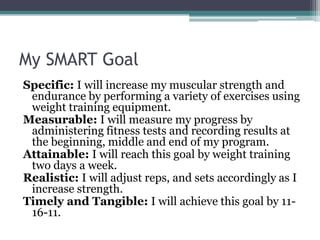
How SMART Goals Supercharge Your Bodybuilding Progress
Younger individuals (18–30) typically experience faster recovery and greater muscle protein synthesis, allowing for gains closer to 2 pounds per month. In contrast, those over 40 may only gain 0.5–1 pound monthly due to declining hormone levels and slower recovery. Incorporating strategies like sleep optimization (7–9 hours nightly), active recovery (light cardio or stretching), and mobility work can mitigate these age-related limitations. For older lifters, prioritizing joint health and form over ego-lifting is essential for sustainable progress.
Primary Progress Indicators
BBC Good Food confirms that consistent protein intake throughout the day is more effective than getting all your protein in one or two meals. Most natural realistic muscle-building goals male lifters can gain pounds of muscle above their untrained baseline over 5-10 years of optimal training. This varies significantly based on height, frame size, and genetics. A practical measure is Fat-Free Mass Index (FFMI) – natural bodybuilders rarely exceed FFMI of 25. You will have a starting line which is going to be different from those of every other bodybuilder in the world.
By combining precise calorie calculations with disciplined habits, you’ll maximize muscle gains while minimizing unwanted fat. This program also assumes you are training with adequate intensity. This calls for several days per week of heavy, compound movements with some isolation movements following it to help polish the muscle group. Finally, there is an assumption that you’re giving your body adequate rest and recovery time.
What is a SMART Goal?
Individuals in their 20s and 30s, with higher testosterone levels and faster recovery, can typically see visible gains within 3–6 months of consistent effort. For those over 40, muscle growth may take 6–12 months or longer due to natural declines in hormone levels and slower recovery. However, with proper nutrition and training, significant progress is still achievable at any age. Incorporating adequate sleep (7–9 hours nightly) and stress management accelerates results across all age groups.
Building Outstanding Pectoral Muscles

Pairing protein intake with resistance training and adequate rest amplifies results, as muscle growth requires both stimulus and recovery. Gaining muscle is a common fitness goal for many, but setting and managing expectations around muscle gain is crucial for long-term success and motivation. Here’s a guide to help you understand what to expect and how to set realistic goals on your muscle-building journey. Adequate protein intake provides the amino acids your body needs to repair and rebuild these fibers, making them stronger over time.
Nutrition Strategy for Muscle Growth
Consider the concept of muscle belly length, a genetic trait that influences the appearance and function of muscles. Longer muscle bellies allow for greater contraction and potential for size, while shorter bellies result in a more compact, denser look. For example, a person with genetically longer biceps will likely achieve a more pronounced peak, whereas someone with shorter muscle bellies might develop thicker, more rounded muscles. Understanding this can help you set realistic expectations and tailor your training to accentuate your natural strengths.
What are some tips for setting realistic muscle goals?
The outcome is the rise of the water in the bucket even though no extra water has been added to the bucket itself. Since we do not physically gain more muscle, we have to manipulate the muscle we already have in our bodies and the amount of protein storage we have because of that manipulation. Whatever your goals are, BarBend’s macronutrient calculator will help you figure out how much protein, carbs, and fats you need to fuel your goals. This is tremendously important for keeping you on track, especially if your goals are related to your physique.

コメント